关于1

Custom Titanium Bar Supplier


Jeterry Titanium Technology Co., Ltd., founded in June 2012, and is located in the Baoji Hi-tech Development Zone, is a young enterprise mainly engaged in the production and operation of non-ferrous metal titanium-zirconium seamless pipes and aluminum-vanadium alloys. Products are used in the chemical industry, electronics, petroleum, aviation, marine engineering, marine equipment, titanium alloy ingots, etc.


Jeterry Advantages

Advanced Production Equipment

Our company covers an area of more than 2,000 square meters and is equipped with cold rolling mills, high-speed fine boring machines, annealing furnaces, metal band saws, pipe polishers, and other equipment, which can produce high-precision titanium products.

Strong Production Capacity

Our leading steel manufacturer has established strategic cooperation to solve the manufacturing problem of large-diameter steel billets and achieve an annual production capacity of 2,000 tons of tube blanks and 1,000 tons of finished tubes.

OEM Service Available

Free fabric samples, more than 3000 ready-made designs for you to choose from, and OEM solutions for many buyers around the world.


Timely After-Sales Service

Our team has more than 10 years of experience in the field of quality control. At the same time, we provide 24/7 dedicated service and can quickly reply to customers' emails within 12 hours.


Titanium Bar


productcate-627-388


Introduction to Titanium Bar

A titanium bar is a solid cylindrical or rectangular-shaped piece made of titanium metal. Titanium is a chemical element with the symbol Ti and atomic number 22. It is a strong, lustrous, and lightweight transition metal known for its excellent strength-to-weight ratio, corrosion resistance, and biocompatibility.


Types of Titanium Bars
 

Several types of titanium bars are available in the market, each with unique properties. The most common types include the commercially pure titanium bar (CP), which is the most affordable and has excellent corrosion resistance. Another type is the alpha-beta titanium bar, which combines excellent strength and corrosion resistance. The beta titanium bar is also available, which has good welding properties and is used in aerospace applications.

CP Grade 2 Titanium Bars

CP Grade 2 titanium bars are made of commercially pure titanium and are the most widely used type of titanium bar. Grade 2 CP titanium has good weldability, formability, and corrosion resistance. It is often used in chemical processing and marine applications.

Beta Titanium Bars

Beta titanium bars are made of an alloy of titanium and other metals, such as molybdenum or zirconium. They have excellent flexibility and can be used in various applications that require high strength and flexibility, such as biomedical implants.

Alloyed Titanium Bars

Alloyed titanium bars are made of an alloy of titanium and another metal, such as aluminium or vanadium. These bars are stronger than CP-grade titanium bars and are often used in high-strength applications such as aircraft construction.

Titanium Grade 5 Bars

Titanium Grade 5, or Ti-6Al-4V, is a commonly used titanium alloy. It is composed of 90% titanium, 6% aluminium, and 4% vanadium. One popular form of Titanium Grade 5 is the Titanium Grade 5 Bar. Hot rolling or forging the alloy into a cylindrical shape will manufacture these bars. They are widely used in aerospace, medical, automotive, and marine industries.

CP Grade 3 Titanium Bars

CP Grade 3 titanium bars are made of commercially pure titanium and are similar to CP Grade 2 titanium bars in terms of weldability, formability, and corrosion resistance. However, CP Grade 3 titanium has slightly higher strength and is often used in aerospace applications.

Titanium Grade 7 Bar

Titanium Grade 7 Bar is another popular form of titanium alloy. Grade 7, also known as Ti-0.2Pd, is a corrosion-resistant alloy containing 99.2% pure titanium and 0.2% palladium. This combination of elements provides Grade 7 with enhanced resistance to corrosion in various environments, including highly oxidizing and reducing conditions.


Benefits of Titanium Bar
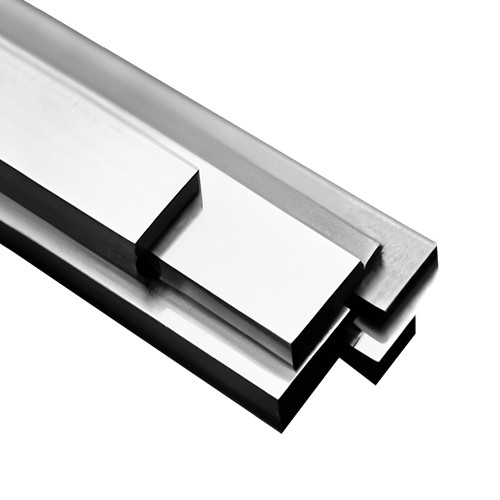
Titianium Flat Bar

High Strength-to-Weight Ratio

Round titanium bars provide a superior strength-to-weight ratio than other frequently used metals. Because of this quality, they are perfect for applications that need strength while requiring a low overall weight. Titanium’s reduced weight provides improved performance, cost savings, and fuel economy.

Ti-6Al-4V Titanium Square Bar

Exceptional Corrosion Resistance

The exceptional corrosion resistance of titanium round bars is one of its most important benefits. Titanium, in contrast to many other metals, has exceptional resistance to a variety of corrosive conditions, including saltwater, chemicals, and acids. This characteristic guarantees the durability and dependability of titanium components, resulting in lower maintenance and replacement costs.

Hollow Titanium Rods

Bio compatibility

In the medical industry, titanium is a popular material due to its bio compatibility. When used in medical implants, titanium round bars reduce the likelihood of rejection and adverse responses by being well-tolerated by the body. This bio compatibility factor enhances the quality of life for patients who have implanted devices and leads to excellent surgical results.

GR1 Titanium Round Bar

Heat and Temperature Resistance

Due to its remarkable resistance to high temperatures, titanium round bars are appropriate for applications involving extremely hot temperatures. Titanium’s capacity to tolerate high temperatures assures maximum performance and durability whether it is used in aeronautical engines, automobile exhaust systems, or industrial heat exchanges.


Application of Titanium Bar
null
 

Aerospace Industry

Titanium bars and sheets are often used in the aerospace industry. Ti bar is also used in the frame structures of aircraft. Ti bars are also used in the moving parts of aircraft engines and propellers. The aerospace industry is the biggest market for titanium bars and products.

null
 

Industrial

Titanium industrial applications are very large. Industries are top consumers of ti bars. The durability, lightweight, corrosion and heat resistance properties, and cost-effectiveness of titanium make it industries top priority. A wide variety of titanium parts are used in the industrial industry. Petroleum extraction, power plants, and extraction processing plants use titanium.

null
 

Manufacturing

Titanium bars are very durable and lightweight, and many manufacturing industries use ti bars in the manufacturing process. The market for ti bars is boosting quickly. Technology companies, armor manufactures, construction industries are one of the biggest consumers of titanium bars.


Production Process of Titanium Bar


Melting
The first step in producing titanium bars is to melt the ingot. All of our materials are made of high-quality titanium sponges. Titanium ingots after secondary smelted from scrap are never allowed to enter our production. (Titanium Sponges - Press to block - weld many blocks together - get titanium electrode)


Forging
The next step is to forge the ingots into bars of the desired size and shape. This process involves heating the ingots to a high temperature and then applying pressure to shape them.


Machining
After forging, the titanium bars are machined to remove any surface defects or impurities. This involves a process of cutting, grinding, and polishing to bring the bar to its final shape.


Testing & Marking
Finally, the titanium bars are tested for quality and integrity. This includes non-destructive testing techniques to check for any internal or surface defects, as well as physical and chemical testing to ensure the bars meet the required specifications.


Factors to Consider Before Choosing a Titanium Bar
productcate-701-399

Titanium Grade
The grade of titanium used in the bar is a primary determinant of its price. Titanium comes in various grades, with Grade 1 being the most affordable and Grade 23 (Ti-6AL-4V ELI) being on the higher end of the price spectrum. The choice of grade depends on the intended application.
Bar Dimensions
The size and shape of the titanium bar have a significant impact on its price. Longer or larger bars often cost more due to the increased material and manufacturing requirements. Smaller bars, on the other hand, tend to be more budget-friendly.
Quantity
Purchasing titanium bars in bulk typically leads to cost savings. Manufacturers often offer discounts for larger quantities, making it economically advantageous for businesses with high demand.

Market Demand
Market demand for titanium plays a vital role in price fluctuations. In times of high demand, prices may rise, whereas in periods of lower demand, prices tend to stabilise or even decrease.
Supplier and Location
The choice of supplier and their location can also influence the price. Different suppliers may have varying pricing structures and shipping costs. Choosing a local supplier or one with competitive rates can impact your overall expenses.

productcate-696-382


Ultimate FAQ Guide to Titanium Bars


Q: What are the uses of titanium bars?

A: Jewellery
Titanium bars are used to create luxury pieces of jewellery. The titanium often makes jewellery fasteners that create secure clasps that maintain a lustrous finish for a long time.
Aerospace Industry
The aerospace industry is one of the largest consumers of titanium bars. Titanium is commonly used to make highly sensitive components. Bars are used to make the frame and some of the moving parts in the aircraft’s engine and propellers.
Laptop Computers
Titanium bars have a modern and shiny look that makes it ideal for making laptops. Computer brands, mainly Apple, have used titanium bars to make laptop bodies, among other components of high-end laptops.
Armour
Titanium is lightweight and high strength. Titanium bars are often used to make fighter jets and other processes of making armour, while reducing the weight of the product and making it more durable.

Q: What are the grades of titanium bars?

A: Titanium bars come in multiple grades that vary in strength and resistance. Grades 2 and 5, which are the most common ones, combine excellent ductility, formability and weldability and are highly reliable metals.

Q: Are titanium bars worth it?

A: Longevity and durability are less vain reasons to choose titanium. Carbon is the most susceptible to damage in a crash, and aluminum has the shortest fatigue life. Titanium has a longer fatigue life than aluminum and is less vulnerable in a crash than carbon.

Q: Can I bend the titanium bar?

A: Due to its long lever and solid design, even titanium bars can be bent and shaped with deceptive ease. Even difficult S curves are easy to make with this device. Due to the concentrated power, all bars can be precisely bent to the desired shape.

Q: Can I cut titanium bars?

A: To cut a titanium bar, low cutting speeds minimise the build-up of heat and excessive cutting speeds can reduce tool life by as much as 80%! Using a large flow of cutting fluid will increase the cooling effect, allowing you to cut metal more efficiently.

Q: Does titanium crack or bend?

A: Another way that titanium stands out among its competitors is in its durability. Titanium is incredibly resistant to specific pressures like bending or cracking. Unlike certain other materials, it is extremely tough to snap a titanium band. However, you can still scratch titanium.

Q: Can titanium be cut with water?

A: Waterjet Cutting can cut Titanium, Stainless Steel and Specialty Alloys that are significantly thicker (e.g., Stainless Steel up to 8” thick, Aluminum Block up to 20” thick) than a laser or plasma cutter could even contemplate. Abrasive Waterjet Cutting can also be used to cut materials other than metals too.

Q: In which industries does Titanium Bar have application advantages?

A: Round titanium bars have many uses and advantages in a variety of sectors. They are the perfect option for important components in the aerospace, medical, marine, and automotive industries because of their strength, lightweight design, resistance to corrosion, and bio compatibility.

Q: In which industries is Titanium Bar common?

A: Industrial Applications
Titanium has a wide range of industrial applications. Due to its durability, low weight, heat resistance, and corrosion resistance, Titanium is the material of choice in the business. The industrial sector uses a wide variety of titanium components. Titanium Round Bars are used in petroleum, mining, power plants, and treatment plants.
Armor
Titanium bars are very lightweight and high-strength bars. That’s why armor manufacturers use titanium bars in the manufacturing process to make armor lightweight and easy to wear. Armor makers use titanium round bars in various applications to reduce weight and increase product durability.
Aerospace Industry
The aerospace industry often uses titanium bars and sheets. Titanium Grade 5 Round Bar are also used in aircraft frame structures. Titanium bars are also present in the moving parts of aircraft engines and propellers. The aerospace industry is the largest market for titanium bars and products.
Electronics Industries
Laptop manufacturers prefer titanium bars because they are bright, sleek, and shiny. Some manufacturers use a titanium bar in the computer. Titanium is used in a variety of laptop manufacturing processes.

Q: Can Titanium Bar be used in house construction?

A: People who decide to build houses or production plants certainly want them to serve as long as possible. Therefore, they use the best materials available on the market. Titanium is one of them. Among others, bars are made of it. You can use them to strengthen all kinds of things. However, before that it is worth making sure that they will work in given conditions. Many people also have trouble distinguishing them from steel bars. Therefore, titanium bars are always dark. What's more, they are also much lighter, which is a very useful feature, especially during assembly, which is also not difficult and you can do it yourself if you have the right tools. However, their most important advantage is that they are resistant to acids. This, of course, is associated with corrosion resistance as well as distortion. Therefore, they can be used almost anywhere.Titanium bars are available in different sizes. Focus primarily on the diameter and length of the products offered. Titanium bars they are not very expensive. However, be prepared to be more expensive than plastics.

Q: How To Reduce Forging Pressure?

A: If the conventional forging method is used in the processing of titanium alloy rods since the forging temperature range is only about 100 degrees Celsius, the deformation disturbance force increases sharply with the temperature drop of the billet during the forging process, and a large tonnage forging press is required. To produce titanium rod segments, it is only necessary to use a single secondary sham to reduce the forging pressure. The result is easy to move to the edge of the high-strength wave in the middle, which increases the difficulty of filling the high-gluten. To this end, effective process measures are required, such as increasing the cross-heating temperature of the crossbar to reduce temperature drop; using glass lubricant to prevent surface contamination and improve metal flow. It is effective to add a process positioning boss. The first fire is used for forging the skin with two fires, and the high-strength groove is set on the lower mold with the positioning boss. By using the boss positioning, the time for the metal filling the high-gluten portion to contact the mold wall is greatly reduced, the cooling effect of the mold is slowed down, and the filling property of the titanium rod is improved.

Q: What is the electrochemical polishing of Titanium Bar?

A: Titanium bar processing and rolling is the purpose of obtaining a bright appearance by grinding parts and abrasives in dilute acid or a dilute alkali with an emulsifier (or corrosion inhibitor) and following the rotation of the drum. It is suitable for the handling of small parts and difficult to polish and polish parts. Proper selection of rolling standards improves productivity and quality.

Q: What are the titanium rods’ characteristics?

A: Titanium rods and round bars are made from a corrosion-resistant material that has one of the highest strength-to-weight ratios of all metals. Due to the wear resistance, corrosion resistance, high-temperature resistance, and non-magnetic properties of titanium rods, it is used in the main parts of equipment, shaft body, solid parts, mixing shaft, etc. In addition, titanium rods have the characteristics of high strength, good toughness, low modulus of elasticity, and compatibility with the human body, and are widely used in the medical industry. The forging material of the titanium rod is mainly pure titanium and titanium alloy of various compositions, and the original state of the material is titanium rod, titanium ingot, metal powder, and liquid metal. The ratio of the cross-sectional area of the metal before deformation to the cross-sectional area after deformation is called the forging ratio. Proper selection of forging ratio, reasonable heating temperature and holding time, reasonable initial forging temperature, and final forging temperature, and reasonable deformation, and deformation speed is closely related to improving product quality and reducing cost. Generally, small and medium-sized forgings use round or square bars as blanks. If the grain structure and mechanical properties of the bar are uniform and good, the shape and size are accurate, and the surface quality is good, it is convenient for mass production. As long as the heating temperature and deformation conditions are properly controlled, high-quality forgings can be forged without requiring large forging deformation.

Q: What is a titanium bar?

A: A titanium bar is made from a combination of titanium and other metals, such as aluminium or vanadium. It is most commonly used in manufacturing applications, for example, creating aircraft bodies and frames or parts for cars, boats and motorcycles. Titanium bars are known for their strength-to-weight ratio; they are lightweight yet incredibly strong.

Q: Can Titanium Bars be processed into different shapes?

A: Titanium bars can be machined into almost any shape desired—making them incredibly versatile across different industries and applications. Titanium bar is known for its flexibility and high strength, making it a perfect fit for applications that combine these properties. Its low density makes it lightweight yet tough and has high tensile strength. It is also resistant to corrosive environments, making it suitable for chemical and marine industries.

Q: What is a Titanium Bar made of?

A: A titanium bar is a metal bar made specifically from titanium ore. Titanium is an extremely light, elegant, and durable metal commonly used by the industrial sector to create long-lasting, sturdy items.

Q: What is the melting point of a titanium bar?

A: Titanium bars have an exceptionally high melting point of 1668°C – approximately more than 400°F than steel and 2000°F above aluminium – which makes them suitable for an array of high-temperature applications.

Q: Is Titanium Bar water resistant?

A: Titanium and its alloys are fully resistant to pure water, all nature waters, and stream to temperatures in excess of 315°C [600°F] since a firm passive titanium dioxide film will form which exhibits some surface discoloration at higher temperatures.

Q: Why is titanium used for bars?

A: Whether it's used indoors or outdoors, titanium is a metal that will last several years because a thin layer of oxide forms on the surface and makes it difficult for materials to penetrate. This means titanium bars are ideal for buildings and marine applications.

Q: Can titanium bars be machined?

A: Yes. It is possible for titanium to be turned, bored, milled, drilled, tapped, broached, planned, toothed, ground, and lapped depending on its type of alloy and the final form that has been requested. Machining Grades 1, 2, 3, 4, 7, and 11 are all suitable for the processing of titanium.

Q: Are titanium bars weldable?

A: Titanium and most titanium alloys are readily weldable, using several welding processes. Properly made welds in the as-welded condition are ductile and, in most environments, are as corrosion resistant as the base metal.

As one of the leading titanium bar manufacturers and suppliers in China, we warmly welcome you to buy high-grade titanium bar in stock here from our factory. All customized products are with high quality and competitive price. Contact us for quotation.

Titanium GR7 Round Alloy Bar, Ti6Al4VELI Bar, Titanium GR5 Round Alloy Bar

(0/10)

clearall